Best Guitar Exercises for Beginners
As a beginner guitarist, practicing effectively is key to building skills and confidence quickly. This guide provides the best guitar exercises tailored specifically for beginners.
Finger Exercises: Build Strength and Dexterity
The foundation of your guitar playing lies in finger strength and dexterity. Start with simple finger stretches and then progress to more advanced finger exercises.
- Stretch each finger individually by pressing it against the adjacent finger.
- Practice the C major scale using all four fingers on both hands.
Finger strength is crucial for smooth chord transitions and fluid playing.
Chord Changes: Master Quick Transitions
Moving between chords smoothly is a fundamental skill every guitarist must master. Start with basic open chords like C, G, D, Em, Am, and E minor.
- C to F: Shift your index finger from the third fret of the B string to the first fret of the A string while keeping other fingers in place.
- G to D: Move your ring finger from the low E string (third fret) to the high E string (second fret).
Strumming Patterns: Develop Rhythm and Groove
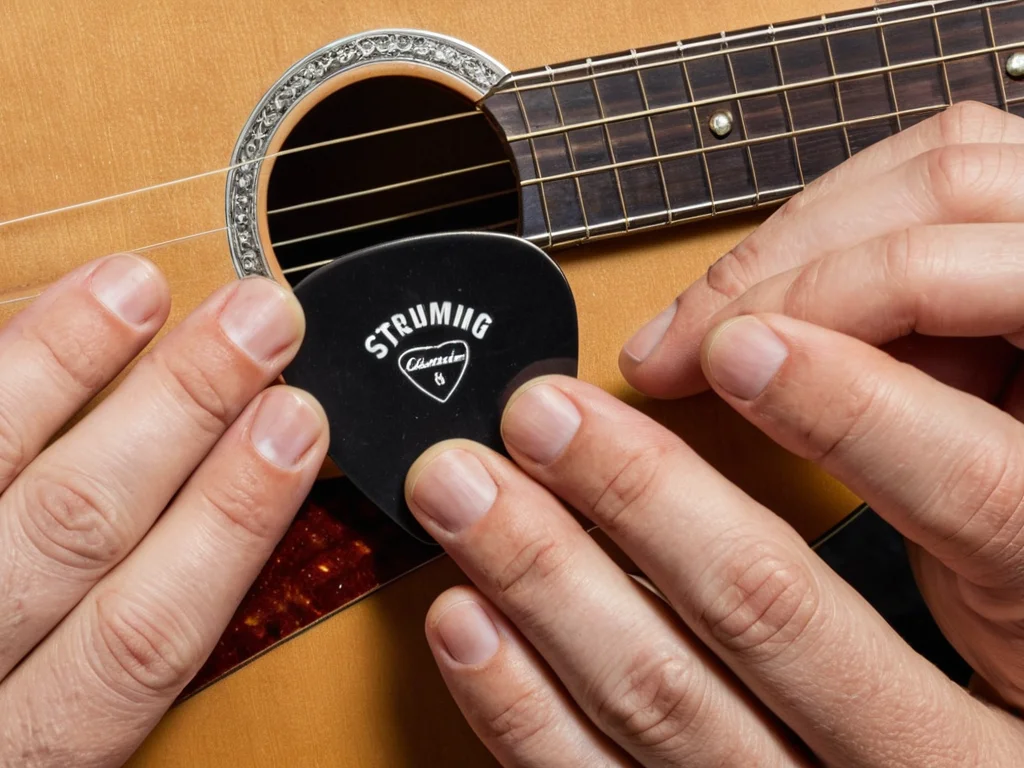
Learn basic strumming patterns with downstrokes, upstrokes, and a combination of both. Start slow using a metronome to ensure accuracy.
- Down Stroke Pattern: Strum the strings starting from the low E string towards the high E string.
- Up Stroke Pattern: Strum the strings going up from the high E string towards the low E string.
Metronome Practice: Perfect Your Timing
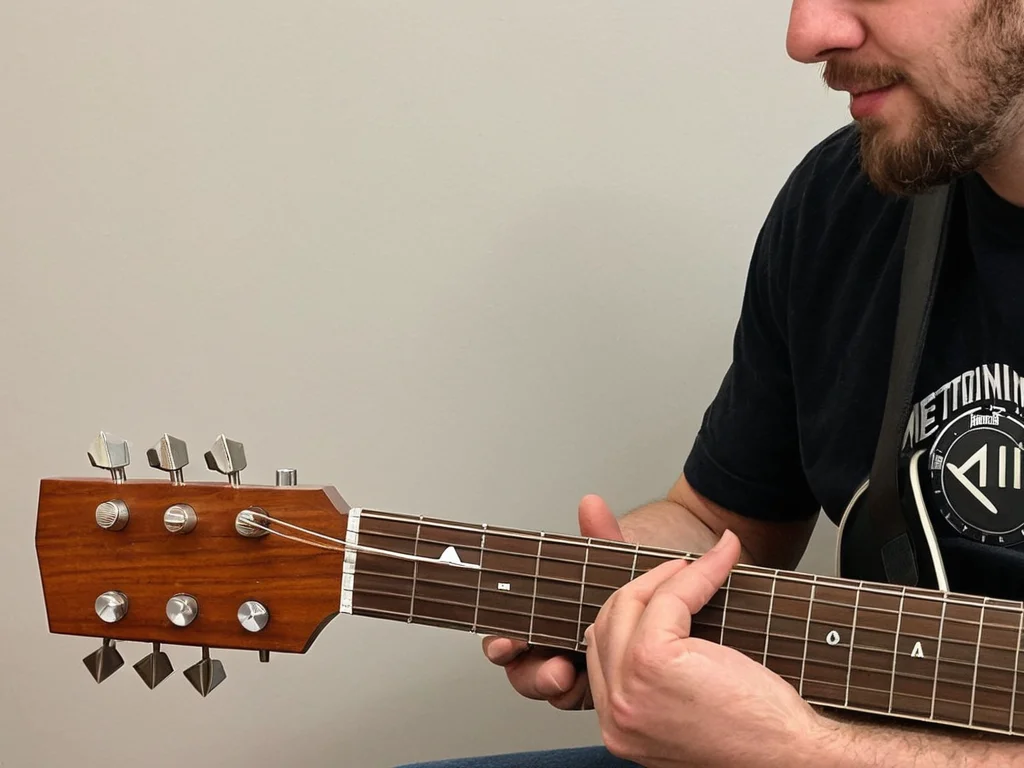
The metronome is your best friend when it comes to building solid timing. Start with slow beats and gradually increase the tempo as you become more comfortable.
- Practice chords at a steady pace, focusing on hitting each string cleanly and in time.
- Challenge yourself by switching between different chord progressions while maintaining strict timing.
Common Mistakes to Avoid
Avoid these common mistakes to make the most of your practice sessions:
- Tensing Up: Relax your hand and arm muscles; tension can hinder fluid playing.
- Picking Too Hard: Use a light touch when picking strings; too much force can cause unnecessary strain on your fingers.
- Rushing Through Chords: Take time to make clean transitions between chords without rushing or skipping beats.
Practical Tips and Practice Routine
To maximize your practice sessions, follow these tips:
- Create a daily routine that includes scales, chord changes, strumming patterns, and metronome exercises.
- Record yourself playing to identify areas for improvement.
- Break your practice time into short intervals; 15 minutes of focused practice is better than one hour of distracted practice.
By incorporating these guitar exercises into your routine, you'll see significant progress and build a strong foundation for advanced playing techniques. Happy practicing!