
Introduction
Welcome to your journey into the world of chord progressions! In this article, we'll explore the fundamentals of music theory, focusing on how chords work together to create memorable tunes. Understanding these basics will not only enhance your playing but also deepen your appreciation for a wide range of musical genres.
What are Chord Progressions?
A chord progression is the sequence of chords that make up the harmonies in a song. These progressions provide the underlying structure and emotional depth to music, making them crucial for both guitarists and pianists.
The Basic Building Blocks: Major Chords
- C major chord (C - E - G)
- D major chord (D - F# - A)
- E major chord (E - G# - B)
- F major chord (F - A - C)
- G major chord (G - B - D)
- A major chord (A - C# - E)
- B major chord (B - D# - F#)
Common Chord Progressions

- I-IV-V: This progression consists of the first, fourth, and fifth chords in a key. For example, in C major (C - G - Dm).
- ii-V-I: A common turnaround, often seen in pop and jazz music. Example: Dm7 - G7 - Cmaj7.
- V-vi-IV-I: This progression is popular for its smooth transition from dominant to subdominant chords. Example: G - Am - F - C in the key of C major.
Emotional Impact of Chord Progressions
The emotional tone of a song is heavily influenced by its chord progressions. For example:
A progression like C - Am - F - G evokes a sense of yearning and longing, often found in ballads.
Similarly, the ii-V-I progression can create a sense of resolution and excitement, making it perfect for climactic moments in songs.
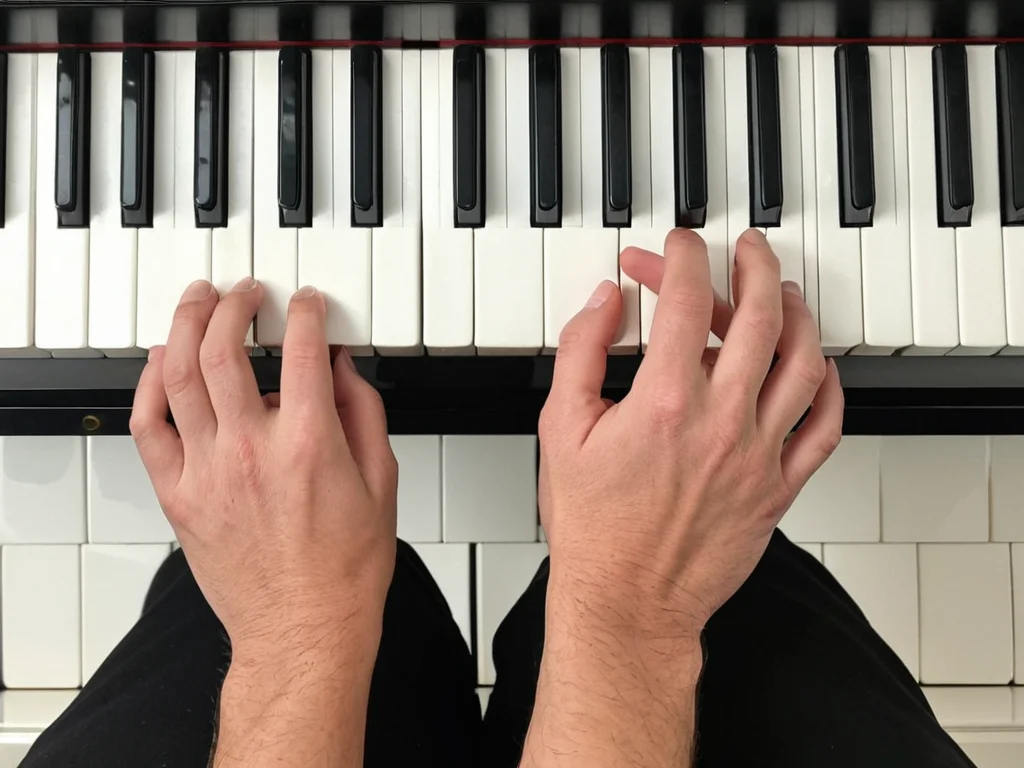
Practice Exercises
- Play through common progressions slowly to get comfortable with them.
- Create your own progressions by experimenting with different combinations of chords.
- Listen to songs that use these progressions and try to identify the underlying structure.
Common Mistakes to Avoid
- Using too many complex chords can make your progression cluttered. Keep it simple for beginners.
- Avoid using only one type of chord (e.g., all major or all minor) as this can limit the emotional range of your music.
Conclusion
Chord progressions are a fundamental aspect of music theory, and understanding them opens up a world of musical possibilities. By mastering these basics, you'll be well on your way to creating memorable tunes and deepening your connection with the art form.