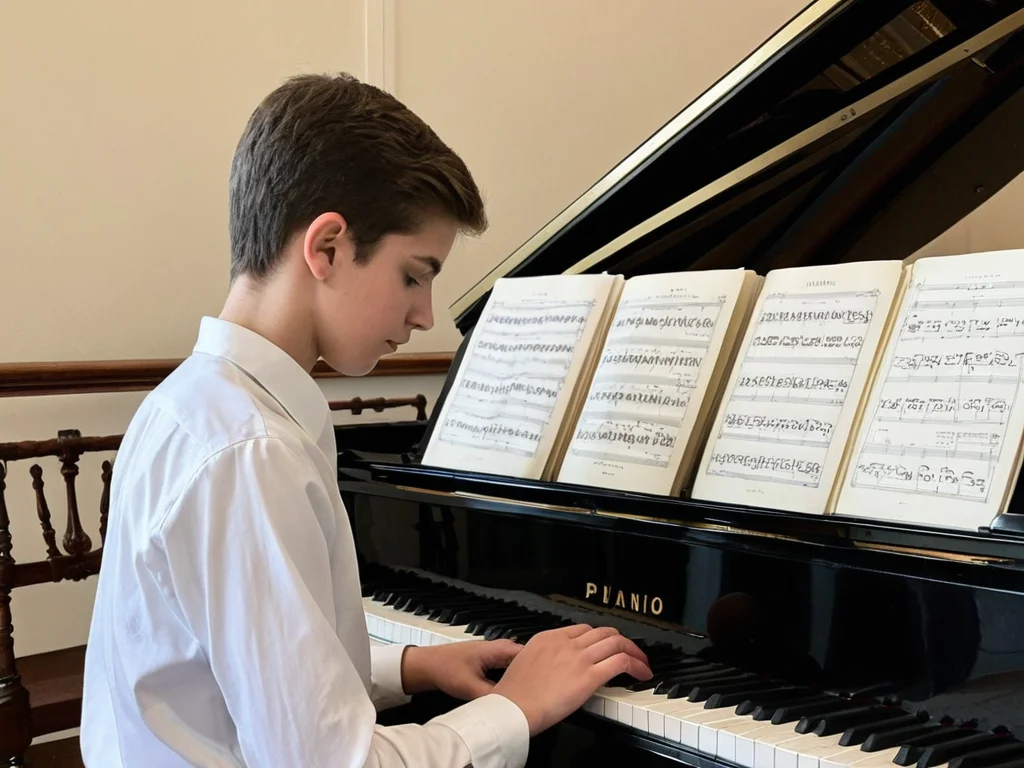
Introduction to Reading Chords
Welcome to our guide on how to read piano chords quickly! If you're new to the piano and want to start playing songs, understanding chords is crucial. This article will provide a clear path for beginners to understand and recognize common chords.
Quick Answer:
- Start with basic major and minor chords like C Major, D Minor, etc.
- Practice recognizing these chords on the keyboard or in sheet music.
- Use simple chord progressions to build your muscle memory and speed up recognition.
Understanding Basic Chords
A chord is a group of three or more notes played simultaneously. For beginners, it's important to understand the basic structure and types of chords:
- Major Chords: These chords are characterized by a major third (two whole steps) above the root note followed by another major third.
- Minor Chords: Minor chords have a minor third (one and a half steps) between the root and second notes, giving them a more melancholic sound.
Finger Numbers and Hand Placement
Your hands should be properly placed on the piano to read chords effectively. Use finger numbers: 1 for your thumb, 2 for index finger, 3 for middle finger, 4 for ring finger, and 5 for pinky.
Pro Tip: Place your hand on the piano as if you were going to play a C Major chord (1-3-5).
Common Chord Progressions
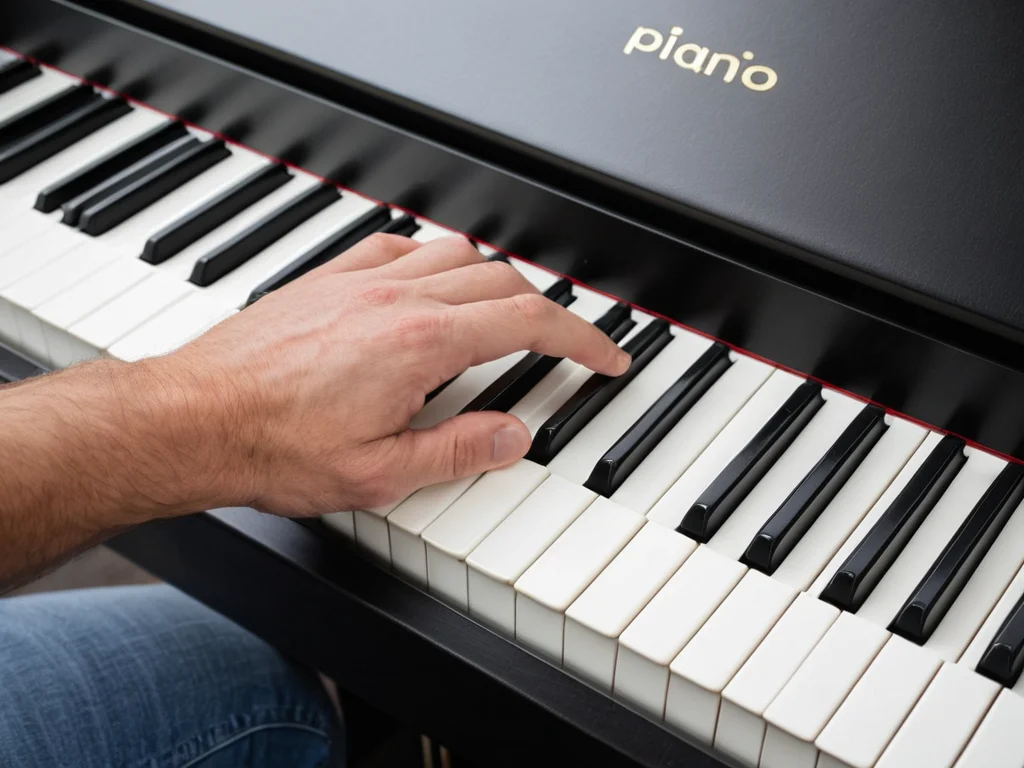
Knowing common progressions can help you recognize and play chords more quickly. Here are some basic progressions:
- I - IV - V (C - F - G): A simple and widely used progression in many songs.
- V7 - I (G7 - C): Another common harmonic structure, often used to create a sense of resolution or tension.
To practice these progressions:
- Start with the C Major chord and play it slowly several times to build muscle memory.
- Add the F and G chords next, transitioning smoothly between them.
PRACTICE TIPS
- Use a metronome to keep your rhythm consistent as you practice transitions.
- Practice recognizing and playing the chords with both hands separately before combining them.
- Create your own simple songs using these progressions. For example, play C - G - Am - F for a basic 4-chord song.
Common Mistakes to Avoid
- Mixing up similar chords like C Major and C Minor.
- Failing to use the correct fingers on the keyboard, leading to incorrect chord shapes.
- Hesitating between different notes while playing, slowing down your progressions.
FAQ Section
- Q: Can I play piano chords without reading sheet music?
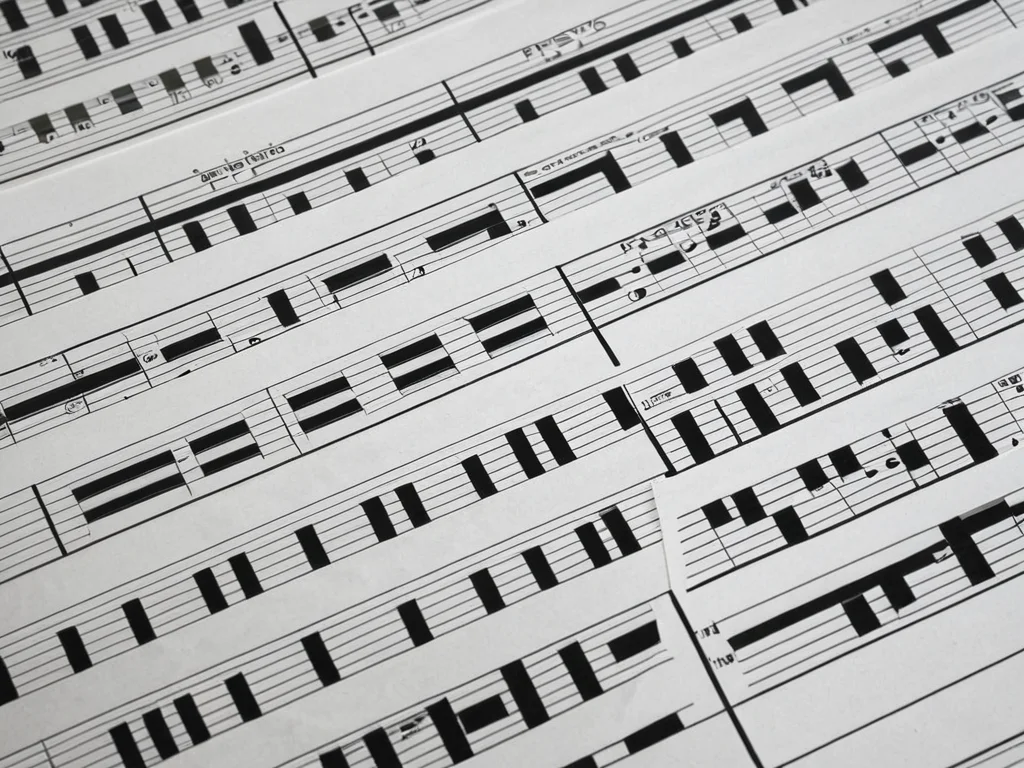
A: While it is possible to learn simple chords and strumming patterns by ear, having a solid understanding of chord symbols and sheet music will help you progress more quickly.
Welcome to our guide on how to read piano chords quickly! If you're new to the piano and want to start playing songs, understanding chords is crucial. This article will provide a c - Q: Are there any shortcuts for learning piano chords?
A: Regular practice and repetition are key. Use visual aids like chord charts, flashcards, or apps that provide interactive exercises to speed up your learning.
- Q: How long should I practice each day?
A: Start with short sessions (10-20 minutes) and gradually increase the duration as you get more comfortable. Consistency is crucial in developing muscle memory.
Conclusion
Reading piano chords quickly takes practice, but with dedication and the right techniques, you can improve significantly over time. Start with basic major and minor chords, familiarize yourself with common progressions, and use practical exercises to enhance your speed and accuracy.