Introduction
Welcome to your comprehensive guide on how to learn piano at home. Whether you're starting from scratch or looking to enhance your skills, this article will provide all the essential steps and tips you need.
Choosing Your Instrument: Piano vs Keyboard
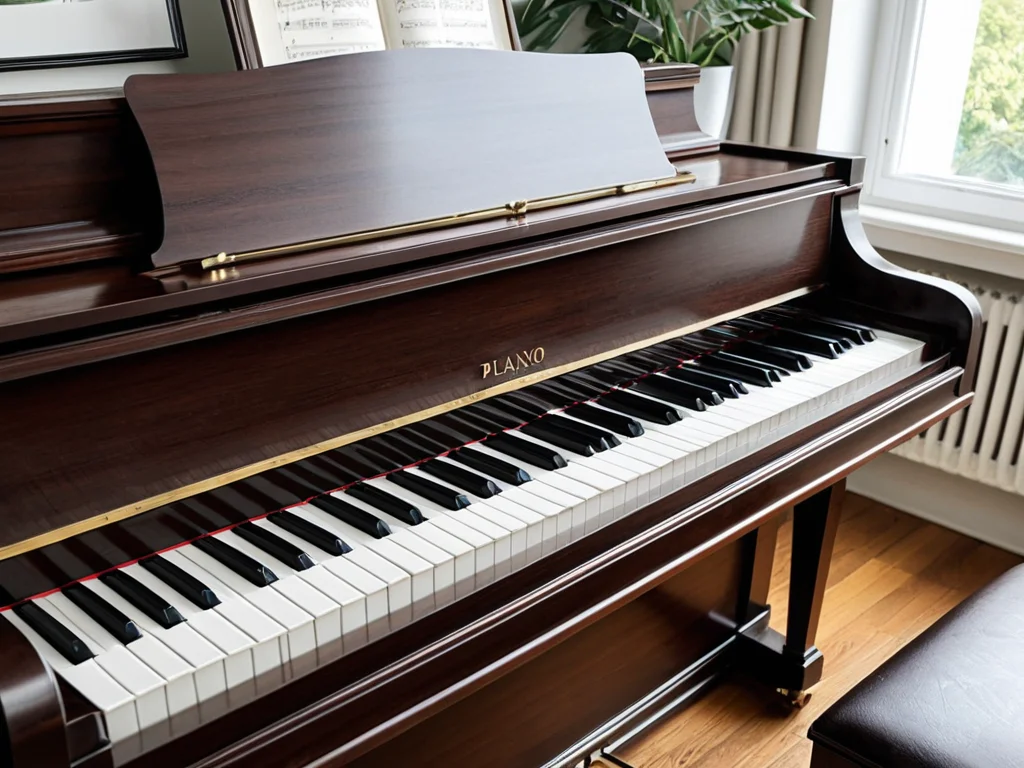
The first step in learning piano is choosing an instrument that suits your needs. A traditional acoustic piano offers a rich sound but comes with a higher price tag and requires more space. For beginners, a digital keyboard can be a great alternative, offering similar features at a lower cost.
Setting Up Your Home Studio
To create an effective learning environment, find a quiet spot in your home where you won't be disturbed during practice sessions. Place the piano or keyboard on a stable surface and ensure it's within reach for comfortable playing.
Getting Started with Basic Techniques
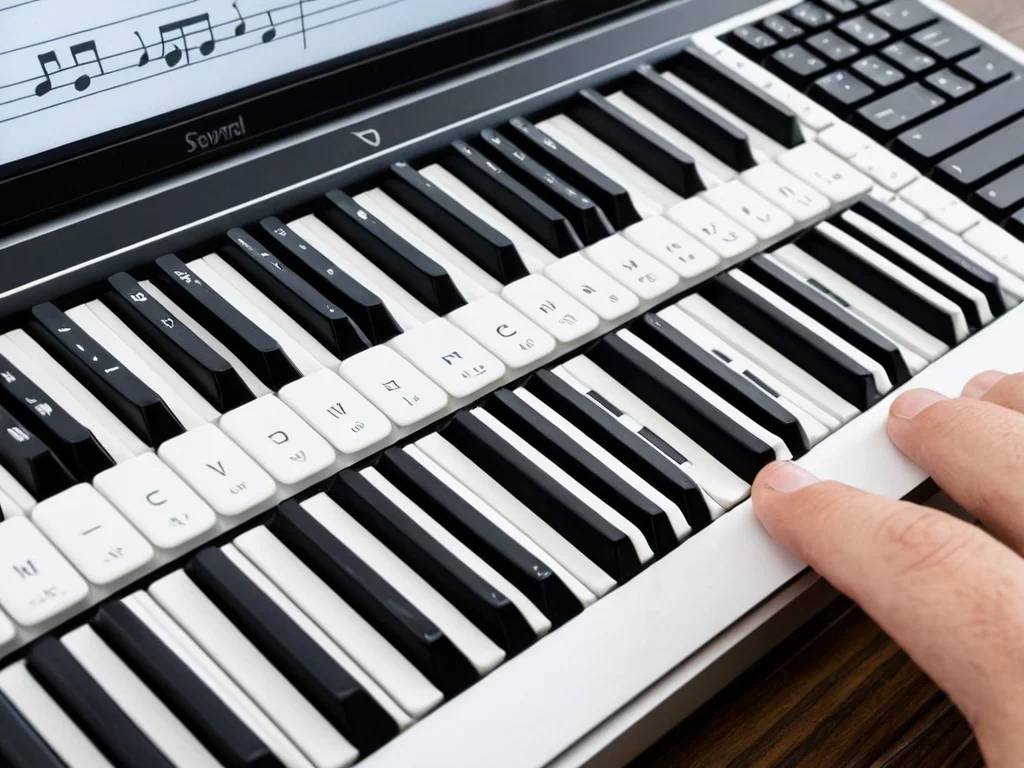
Begin by familiarizing yourself with the layout of your keyboard. Learn the names and positions of each key, and start practicing basic finger exercises.
Tip: Start slowly and focus on accuracy rather than speed to build a solid foundation.
Understanding Music Theory
Music theory is fundamental in understanding how music works. Learn the basics of scales, chords, and reading sheet music to enhance your playing skills.
Scales and Chords
C Major scale: C - D - E - F - G - A - B - C. Practice moving up and down this scale with both hands separately before combining them.
Reading Sheet Music
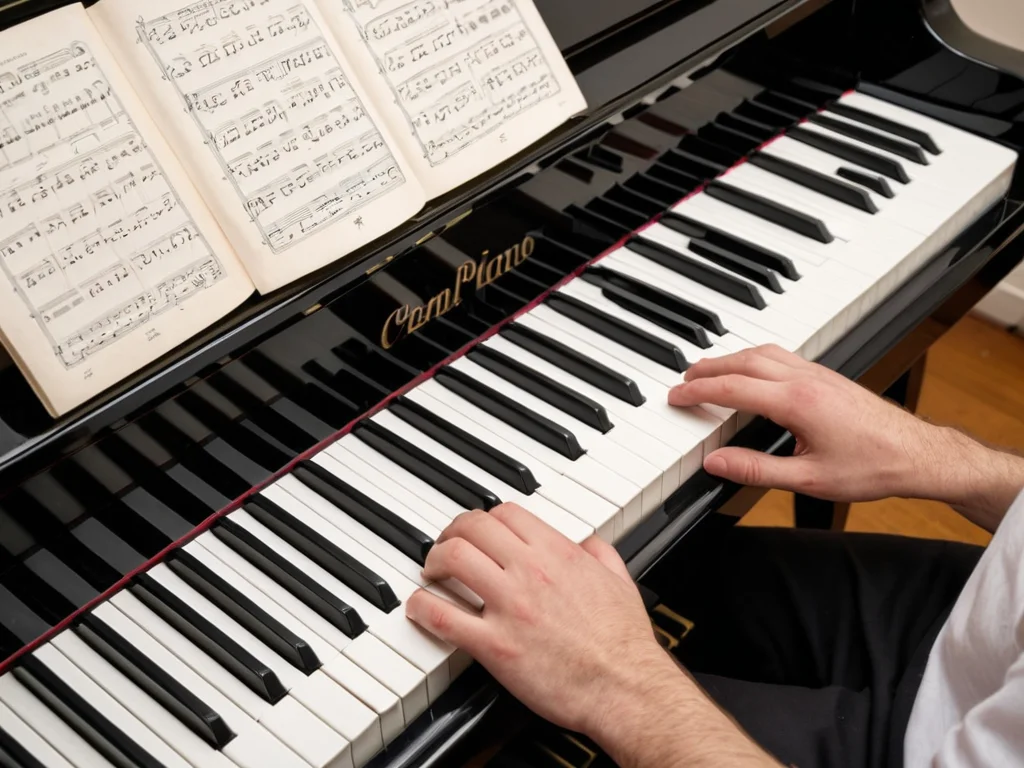
Spend time studying the notes on a staff, understanding key signatures, and timing. Use online resources or beginner books to help you get started.
Making Progress: Practice Tips
To make steady progress in your piano learning journey:
- Practice regularly and consistently.
- Set small goals for each session.
- Vary your practice routine to keep it interesting.
Songs to Learn First
Select simple songs like "Twinkle, Twinkle Little Star" or popular tunes such as Adele's 'Someone Like You' (simplified version).
Common Mistakes to Avoid
Avoid common pitfalls by:
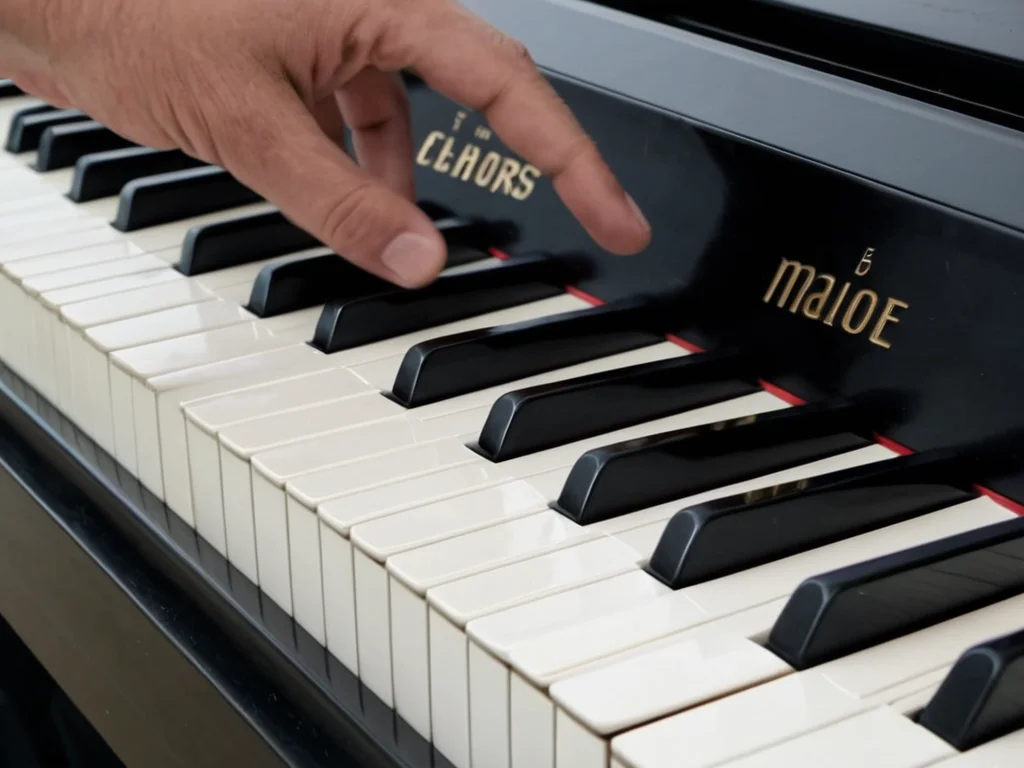
- Making sure your posture and hand positioning are correct.
- Avoiding rushing through exercises without fully grasping them.
Conclusion: Keep Going!
Learning piano at home can be a rewarding experience. Stay consistent, practice regularly, and enjoy the process of mastering this beautiful instrument.