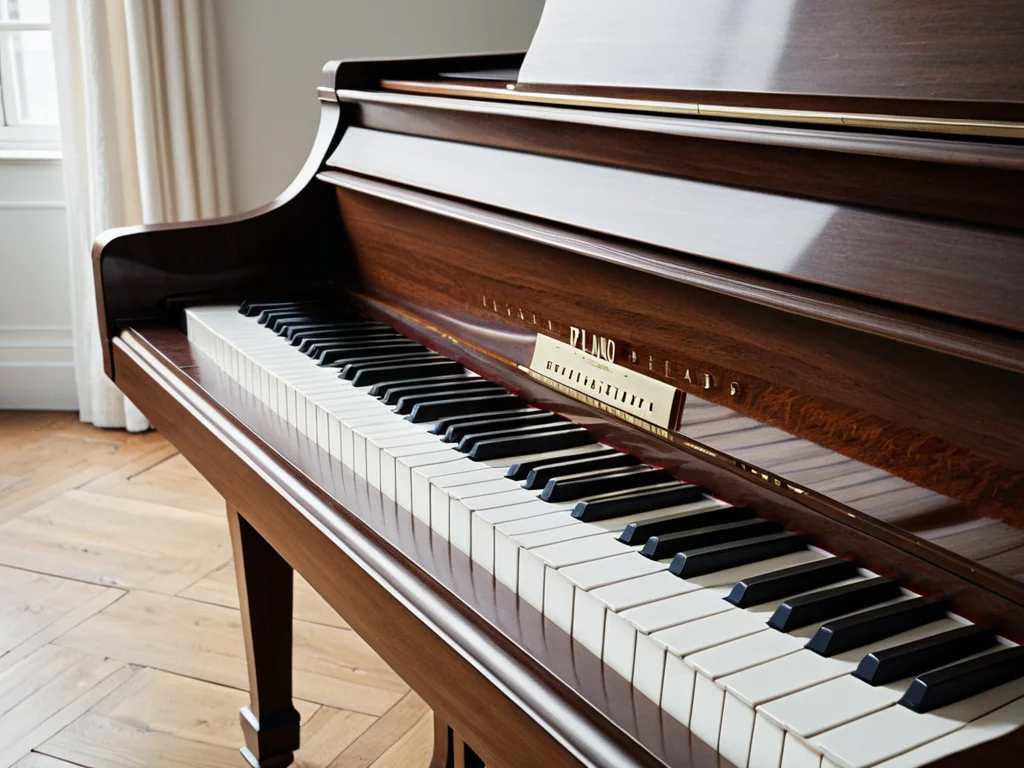
Introduction to Beginner Piano Finger Exercises
\nWelcome to the world of beginner piano finger exercises! If you're new to playing the piano, strengthening and refining your fingers is crucial for developing better technique. These exercises are designed to help you build finger strength, flexibility, hand independence, and overall control over your instrument.
\n\nThe Benefits of Finger Exercises
\n- Builds finger strength: Stronger fingers allow for clearer notes and more dynamic playing.
- Increases flexibility: Flexible fingers can move effortlessly across the keys.
- Improves hand independence: Better control over individual fingers leads to smoother transitions between chords and scales.
Finger Exercise Techniques
\nStart with simple exercises that gradually increase in complexity. Here are a few key techniques:
\nScales and Arpeggios
\nScales: Practice major, minor, and other scales to improve finger strength and flexibility.
\nFor example, you can start with the C Major scale (C-D-E-F-G-A-B-C) as it only uses white keys. Play each note in sequence using the correct fingers. Focus on a smooth transition between notes.
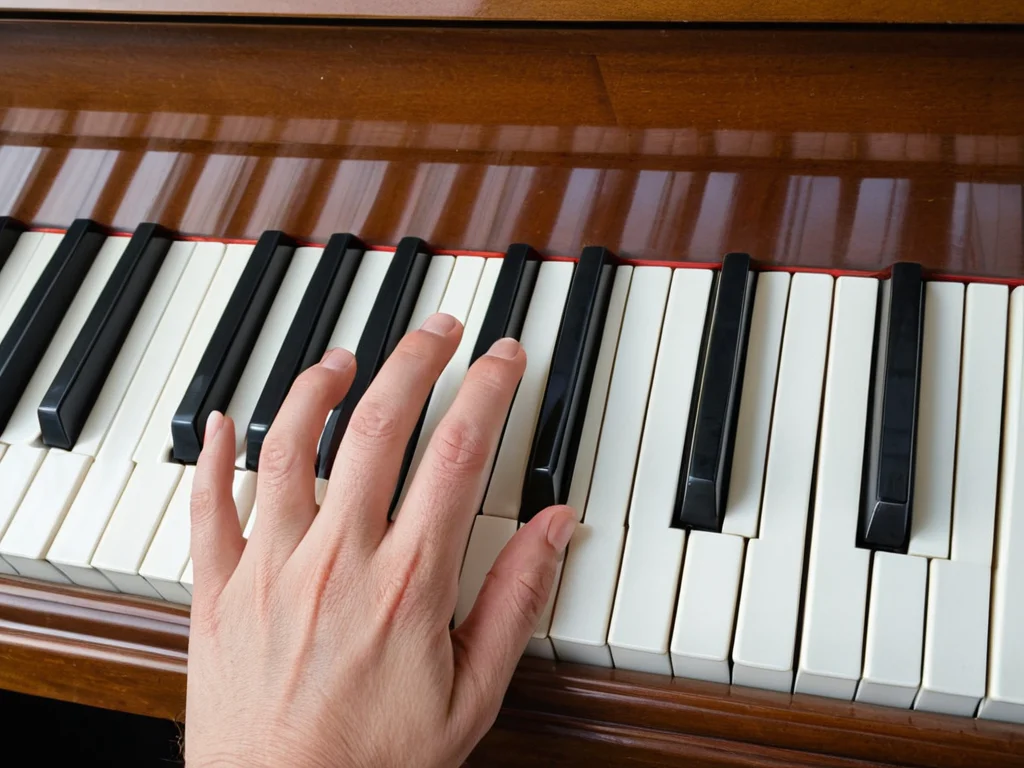
Finger Stretching
\nFinger stretching: Gently stretch your fingers to increase their reach and flexibility.
\p>To do this, place one finger at a time on a key, then extend the next finger outwards. Hold for a few seconds before returning to the starting position. Repeat with all fingers.\n\nCircular Motion
\nCircular motion: This exercise helps improve finger strength and independence.
\nTo perform circular motion, place your thumb on middle C (C4) and use your index finger to play the next white key. Then move your ring finger over the middle finger to reach the following white key. Continue this pattern moving both ways along the keyboard.

Common Mistakes to Avoid
\n- Using too much force: Be gentle with your fingers and allow them to naturally fall onto the keys.
- Ignoring hand position: Keep your wrists relaxed and your hands in a natural, curved shape over the keyboard.
- Skipping warm-up exercises: Always begin your practice session with finger stretches or easy scale runs.
Tips for Effective Practice
\n- Set aside dedicated time for finger exercises each day.
- Vary your exercises to keep things interesting and challenge different aspects of your technique.
- Listen carefully to the sound you produce. Aim for a clear, even tone across all notes.