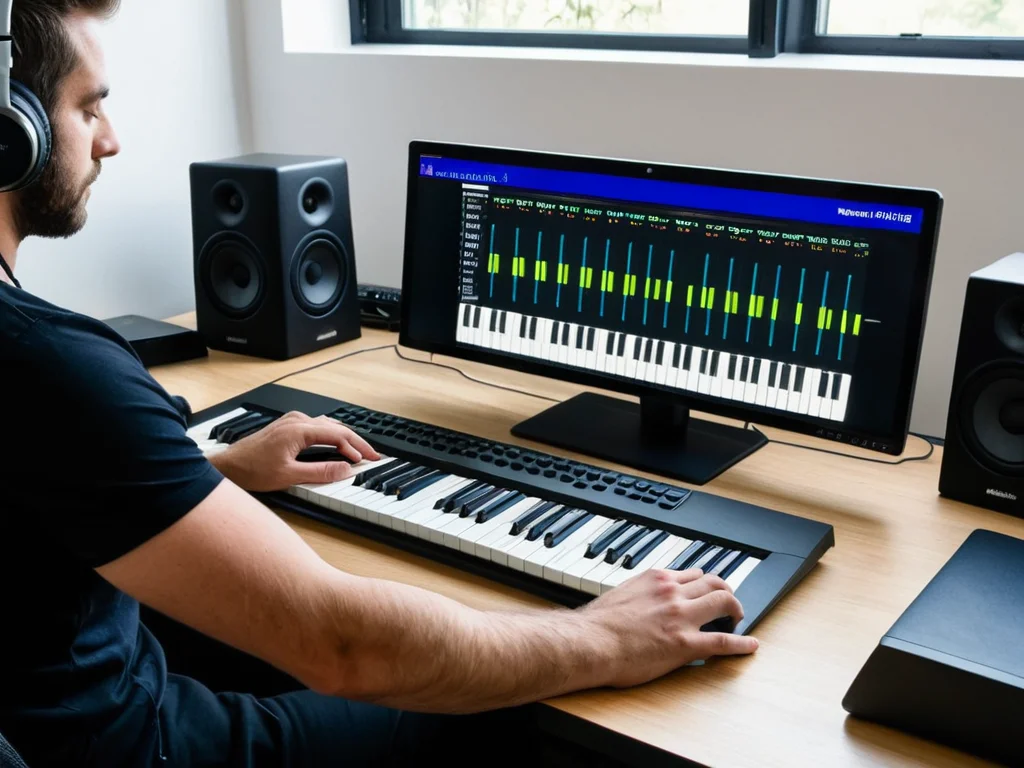
Introduction to Beats per Minute (BPM)
Beats per minute, commonly referred to as BPM, is a fundamental concept in music theory that defines the tempo or speed of a piece. Understanding BPM is crucial for musicians and producers who want to control the pace of their compositions and performances.
What Is BPM?
BPM measures how many beats occur within one minute of time. This value helps establish the overall tempo or feel of a song. For example, a fast-paced dance track might have a high BPM like 130, whereas a slow ballad could be around 60-70.
How to Determine the BPM of Your Song
To find out the BPM of your music:
- Use a Metronome: Listen carefully to the beat pattern and count how many clicks you hear in one minute. This will give you an accurate reading.
- Digital Audio Workstations (DAWs): Most DAWs come equipped with tools that automatically detect BPM based on the audio file.
The Role of BPM in Music Production and Composition
BPM influences various aspects of music production:
- Mixing & Mastering: Adjusting tracks for a consistent tempo helps achieve better results during the mixing and mastering phases.
- Arrangement: BPM consistency across sections allows for smoother transitions between verses, choruses, and bridges.

BPM Across Different Genres
Different genres have typical BPM ranges that define their character:
| Genre | Typical BPM Range |
|---|---|
| Hip-Hop | 60-85 BPM |
| Pop | 90-120 BPM |
| EDM (Electronic Dance Music) | 140+ BPM |
Understanding Tempo and Rhythm
BPM is integral to understanding tempo. Faster tempos mean more beats per minute, leading to a quicker pace.
Tips: When setting BPM for your track, start by determining the mood you want to convey and choose an appropriate BPM range accordingly.
Adjusting Tempo with a Metronome
The metronome is one of the most important tools in adjusting tempo:
- Set your desired BPM: Start by setting the metronome to a comfortable speed.
- Practice at different speeds: Gradually increase or decrease BPM to explore variations and find the best fit for your song.
Finding Your Rhythm: Exercises to Improve Tempo Control
To enhance your ability to maintain a consistent tempo, try these exercises:
- Counting Beats: Practice counting aloud along with a metronome.
- Varying Tempos: Start slow and gradually speed up while maintaining accuracy.
Mistakes to Avoid When Working With BPM
Common mistakes include:
- Sudden Tempo Changes: Abrupt shifts in tempo can disrupt the flow of a song. Aim for smooth transitions between sections.
- Inconsistent Timing: Keep your rhythm steady and avoid rushing or dragging beats.
Conclusion: Mastering BPM
Mastery of BPM is essential for any musician or producer aiming to control the tempo and feel of their music. By understanding and utilizing BPM effectively, you can enhance the overall quality of your compositions and performances.