
Rhythm is a fundamental aspect of music that involves the timing and placement of sounds in time with each other. Whether you're playing guitar or piano, understanding rhythm will help you create captivating performances and compositions.
Understanding Beats
The beat is the underlying pulse that keeps your music organized and moving forward. In a song, beats are often divided into measures or bars to make it easier to follow along. A measure typically contains four beats in common time (4/4).
Think of the beat as a heartbeat or a steady ticking clock. It forms the foundation upon which melodies, chords, and rhythms are built.
Time Signatures
A time signature is represented by two numbers stacked vertically at the beginning of a piece, usually right after the clef symbol. The top number indicates how many beats there are in each measure, while the bottom number tells you what kind of note gets one beat.
| Time Signature | Description |
|---|---|
| 4/4 (Common Time) | Four quarter notes per measure, often used in rock and pop music. |
| 3/4 (Waltz Time) | Three quarter notes per measure, commonly found in waltzes and classical pieces. |
The most common time signature is 4/4, also known as common time. It gives a steady four-count feel that's easy for beginners to follow.
Tempo and its Role in Rhythm
Tempo, or the speed at which music progresses, plays an important role in setting the mood of your piece. Tempo is measured in beats per minute (BPM).
- Slow tempo: 60-75 BPM - creates a relaxed and calm atmosphere.
- Moderate tempo: 80-100 BPM - gives the music an average pace, suitable for many genres.
- Fast tempo: 120+ BPM - adds energy and excitement to your performance.
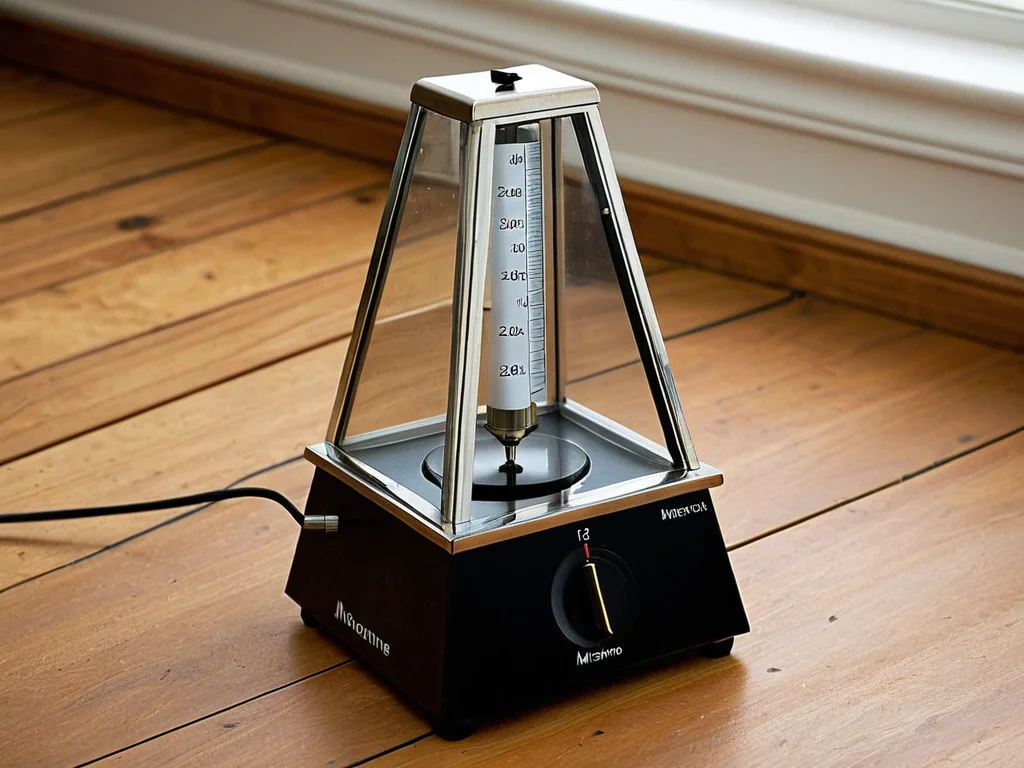
When practicing rhythm, using a metronome can help you develop steady timing. Start slow and gradually increase the tempo as you become more comfortable with the rhythms.
Synchronization Exercises for Improved Rhythm
To improve your sense of rhythm, try these exercises:
- Clap along to a metronome at different tempos.
- Count out loud while playing scales or chord progressions.
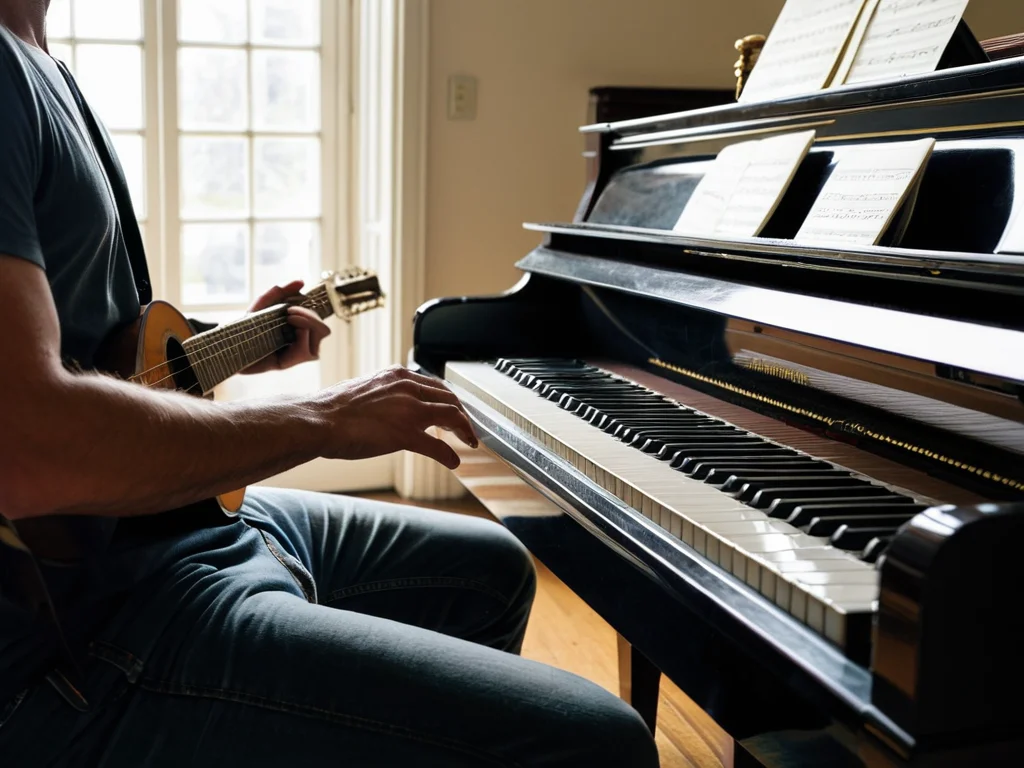
- Play simple rhythms on one instrument and switch to another without missing a beat.
These exercises will help you internalize the rhythm, making it easier to perform with confidence.
Synchronization of Different Instruments in Music
In a band or ensemble setting, all instruments must synchronize their rhythms for a cohesive sound. This is especially important when playing complex compositions that feature intricate interplays between various parts.
For example, in classical music, the strings might provide the harmonic foundation while woodwinds offer melodic variations. In a rock band, drums keep the steady beat, bass provides the groove, and guitars add dynamic chords.
Synchronization Challenges and Common Mistakes
Maintaining rhythm can be challenging at times. Here are some common mistakes to avoid:
- Forgetting to count or subdivide measures accurately.
- Holding notes too long or cutting them short.
- Rushing through complex rhythms without proper practice.
To overcome these challenges, take time to break down difficult passages into smaller sections and repeat each part until you feel comfortable moving on.
Conclusion: Embrace Rhythm in Your Music Practice
Rhythm is the backbone of music. By understanding beats, time signatures, tempo, and synchronization techniques, you'll be well-equipped to create engaging performances and compositions.
Start incorporating these concepts into your daily practice routine for a deeper appreciation of the music you play. Happy practicing!