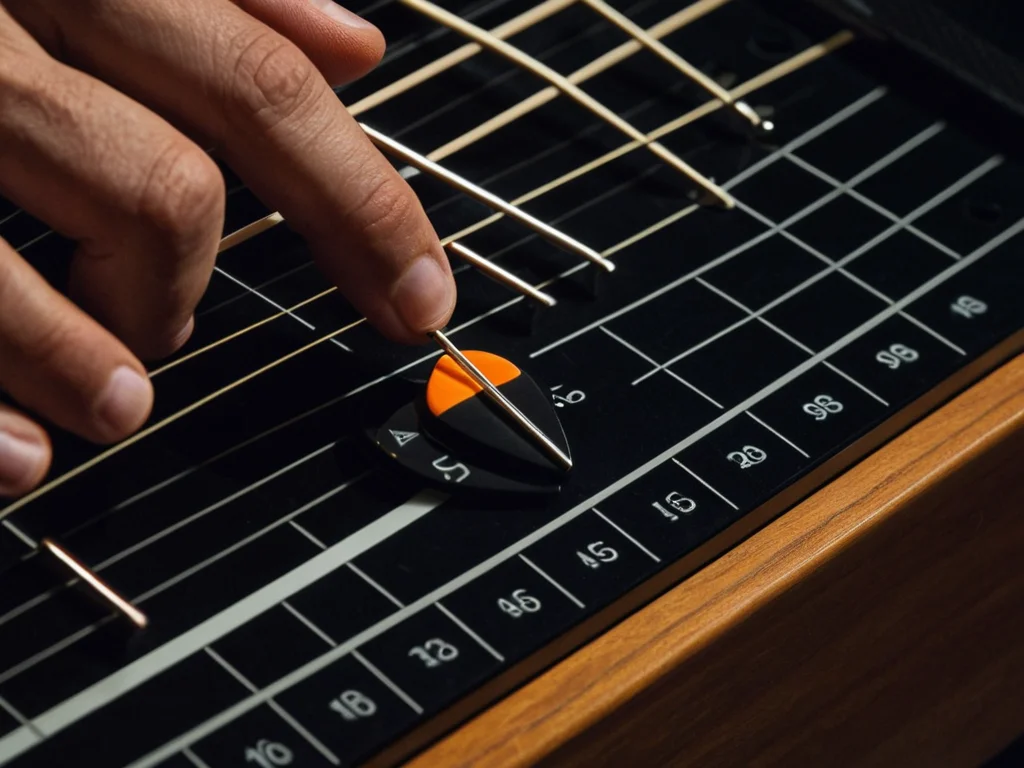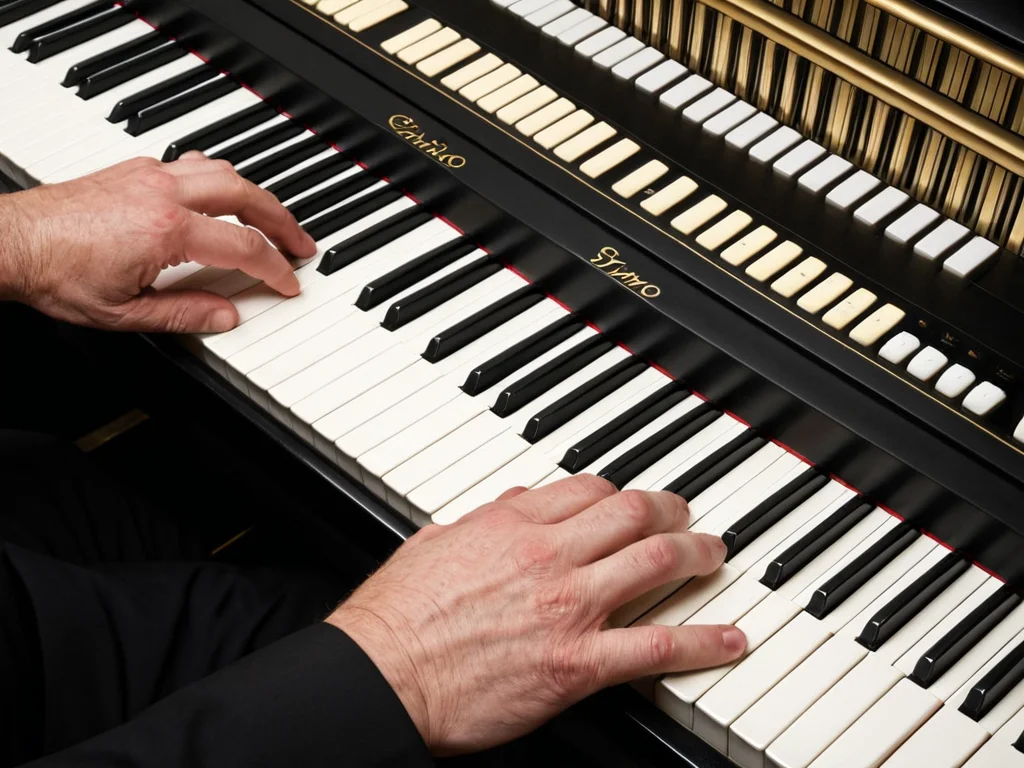
Tempo is one of the fundamental aspects of music that defines how fast or slow a piece should be played. Understanding tempo is crucial for musicians at any level, whether you’re playing guitar, piano, or another instrument. In this guide, we’ll explore what tempo means in music and offer practical tips to help you master it.
What Is Tempo?
Tempo, derived from the Italian word for time, is a crucial element of musical performance that sets the pace. It indicates how quickly or slowly a piece should be played, measured in beats per minute (BPM).
Different Types Of Tempo Markings
- Allegro: Fast and lively tempo, approximately 120-168 BPM.
- Andante: Moderate walking pace, around 76-108 BPM.
- Adagio: Slow and stately, roughly 66-76 BPM.
Remember that tempo is not just about speed; it also affects the mood and feel of a piece. A slower tempo can create a sense of solemnity or melancholy, while faster tempos often evoke excitement and energy.
How To Read Tempo Markings On Sheet Music
Sheet music will commonly include tempo indications at the beginning of a piece to guide performers. These can be written in Italian terms (like Allegro or Adagio) or as numerical beats per minute (BPM).
Common Mistakes When Reading Tempo Markings
- Ignoring the initial tempo marking and playing at your own pace.
- Not adjusting to changes in tempo within a piece.
To avoid these mistakes, always read through the entire score before starting to play, paying special attention to any dynamic or rhythmic shifts that require you to change tempo.
Musical Examples Of Tempo In Action
- Fast Tempos: “Flight of the Bumblebee” by Nikolai Rimsky-Korsakov is a well-known example of an extremely fast tempo. The high BPM requires quick dexterity.
- Moderate Tempos: The opening of Beethoven’s Symphony No. 5 in C minor features a moderate and steady tempo that creates suspense before moving into faster passages.
- Slow Tempos: “Adagio for Strings” by Samuel Barber is often performed at an adagio tempo to emphasize its solemnity and emotional depth.
Musical Terms And Symbols For Tempo
In addition to Italian terms like Allegro, Presto, or Lento, you’ll see other symbols on sheet music that indicate changes in tempo. Understanding these terms is essential:
- Accelerando (Accel.): Gradually increasing the tempo.
- Rallentando (Rall.): Slowing down gradually.
Practical Tips For Practicing Tempo On Guitar And Piano
Mastering tempo takes practice and patience. Here are some tips to help you improve your timing:
- Use a metronome. This will help you stay in time as you play.
- Start slow. Begin practicing at half the desired speed to build precision before increasing tempo.
Conclusion
Mastery of tempo is a vital skill for any musician. By understanding its importance and how it influences music, you can add depth and nuance to your performance. With practice and attention to detail, you’ll be able to play with the confidence and precision that comes from knowing exactly when to speed up or slow down.